

 Facebook
 X
XTankers Make U-Turns as U.S. Seizure Disrupts Venezuelan Oil Flows
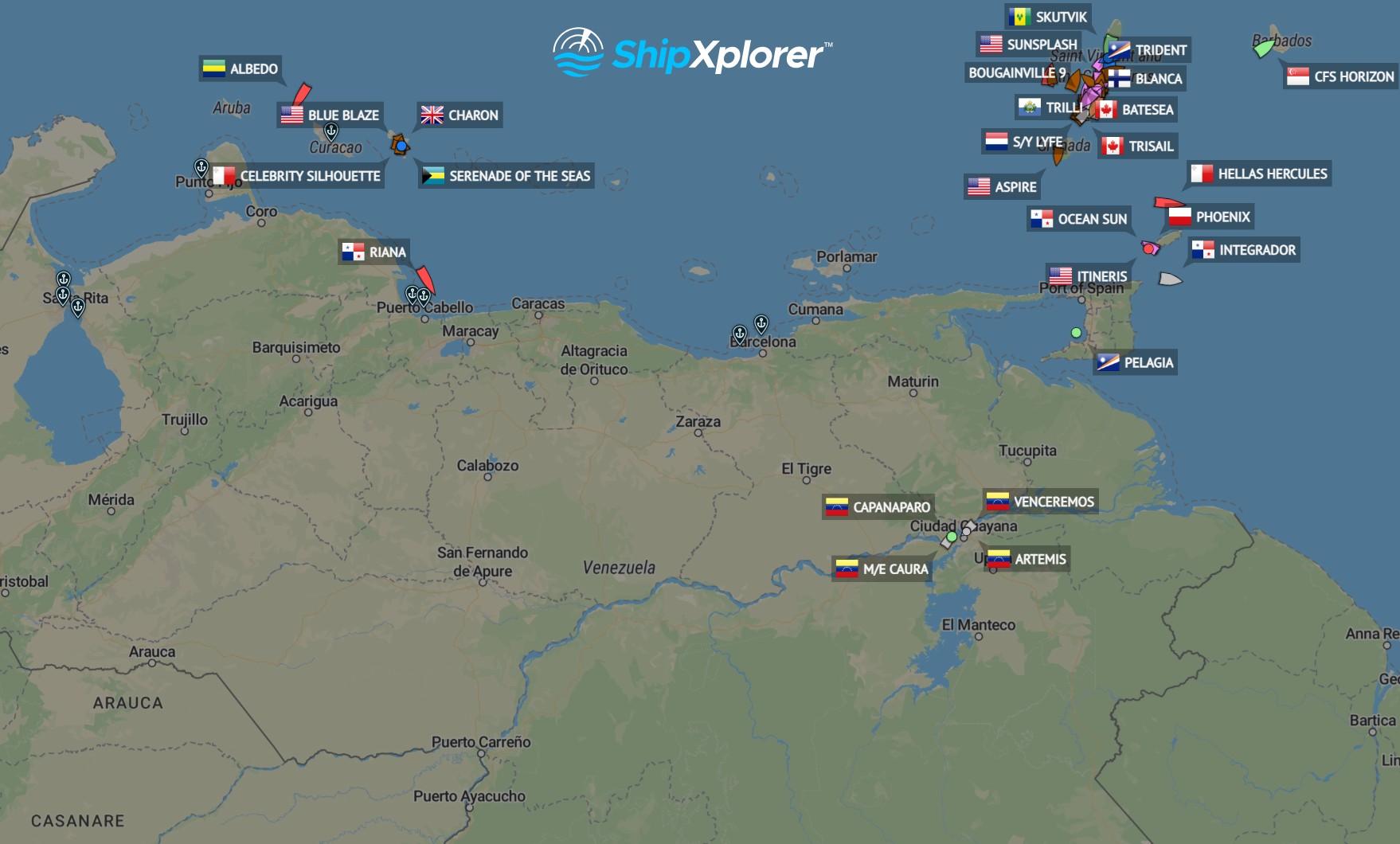
A tanker carrying Russian naphtha for Venezuela’s state oil company PDVSA, along with at least four supertankers scheduled to load Venezuelan crude, have made abrupt U-turns in recent days following a U.S. seizure of a vessel transporting Venezuelan oil.
The disruption highlights escalating tensions between Washington and Caracas, as the United States intensifies pressure on President Nicolás Maduro and enforcement actions ripple through global energy shipping routes.
U.S. Seizure Triggers Immediate Market Reaction
Last week, the U.S. Coast Guard intercepted and seized a huge crude carrier (VLCC) carrying approximately 1.85 million barrels of Venezuelan heavy crude sold by PDVSA. The action left more than 11 million barrels stranded aboard other vessels waiting in Venezuelan waters.
In response, several tanker owners ordered vessels to reverse course to avoid potential legal or operational complications, as U.S. naval assets increased patrols across the Caribbean Sea.
Russian Naphtha Shipment Turns Back to Europe
One of the most notable reversals involved the Benin-flagged tanker Boltaris, which had been transporting roughly 300,000 barrels of Russian naphtha destined for Venezuela. According to our data, the tanker executed a U-turn late last week and is now sailing back toward Europe without discharging its cargo.
The move underscores growing caution among shipowners as they navigate transactions linked to Venezuela amid heightened U.S. scrutiny.
Supertankers Abandon PDVSA Loading Plans
In addition to the Boltaris, at least four VLCCs that were included in PDVSA’s upcoming loading schedules at Venezuelan ports have also reversed course in recent days. These vessels were expected to load crude cargoes in the coming weeks, but the enforcement action has effectively frozen those plans.
As a result, Venezuela’s oil export operations have been nearly paralyzed since last week, according to ship tracking data.
Chevron Vessels Remain the Exception
The only tankers currently departing Venezuelan ports with crude are those chartered by Chevron, operating under a specific U.S. authorization that allows limited exports of Venezuelan oil to the United States. These shipments continue despite the broader halt affecting PDVSA-linked cargoes bound for other destinations.
PDVSA Reports Cyberattack Amid Disruptions
Adding to the turmoil, PDVSA announced on Monday that it had been hit by a cyberattack, which sources say forced the shutdown of key administrative and operational systems. The incident reportedly impacted the company’s oil delivery system, further complicating exports already strained by maritime and geopolitical pressures.
A Chokepoint for Global Energy Shipping
Together, the seizure, tanker reversals, and cyber disruption mark one of the most significant interruptions to Venezuelan oil exports in recent months. For global shipping and energy markets, the episode illustrates how geopolitical enforcement actions can rapidly reshape tanker movements, reroute cargoes across oceans, and leave millions of barrels stranded at sea.
As monitoring continues, vessel-tracking data will remain critical for assessing whether exports resume—or whether Venezuela’s oil trade faces a prolonged standstill under mounting international pressure.
READ NEXT...
- ais-dispatcher
- ais-hub
- shipxplorer
- ship-tracking
- ais-data
- ais-coverage
- blog
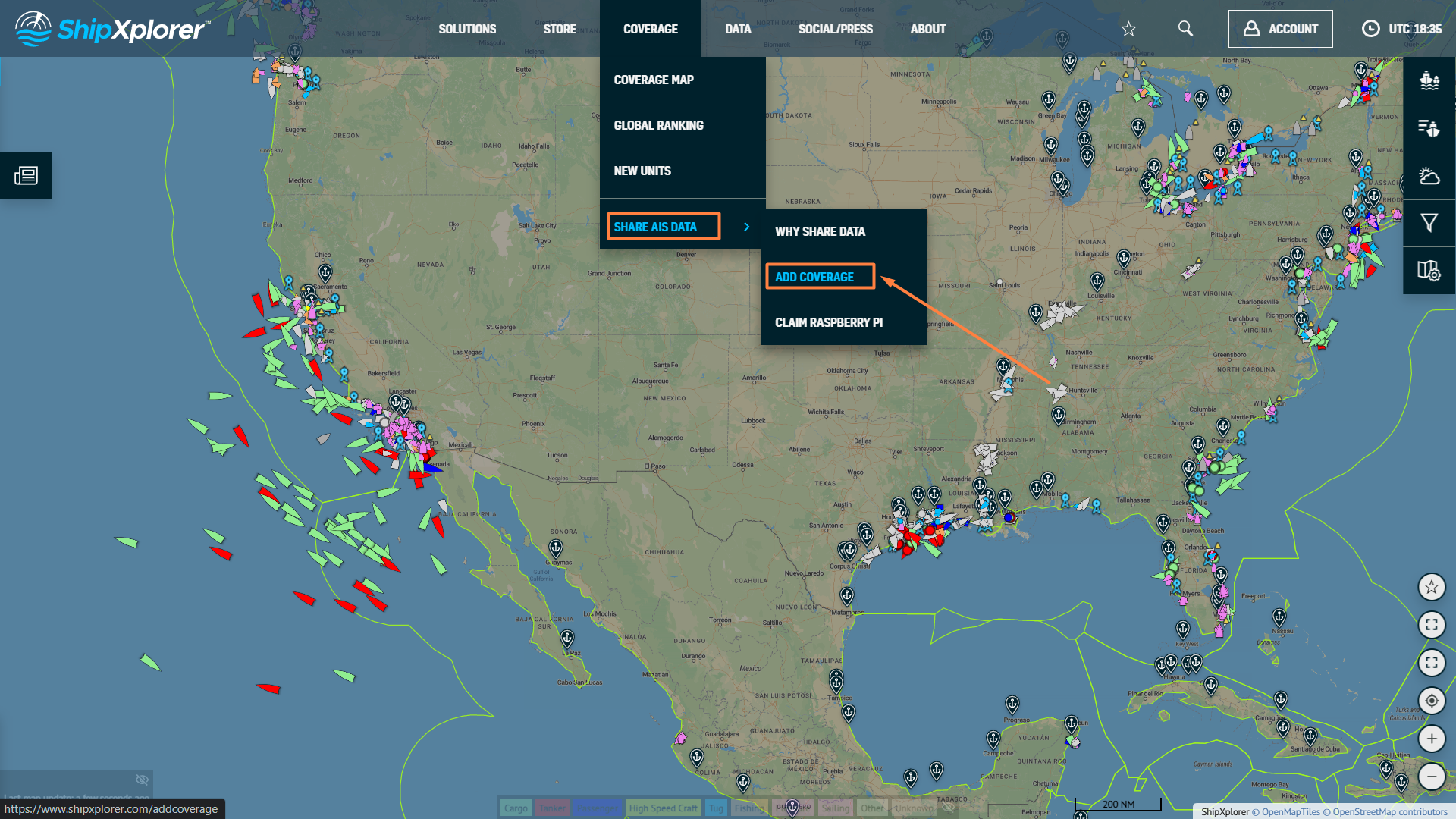
2026-03-24 17:05 UTCHow to share AIS data to ShipXplorer with AIS Dispatcher!
Did you know? You can now share AIS data with ShipXplorer? Read our blog to learn more!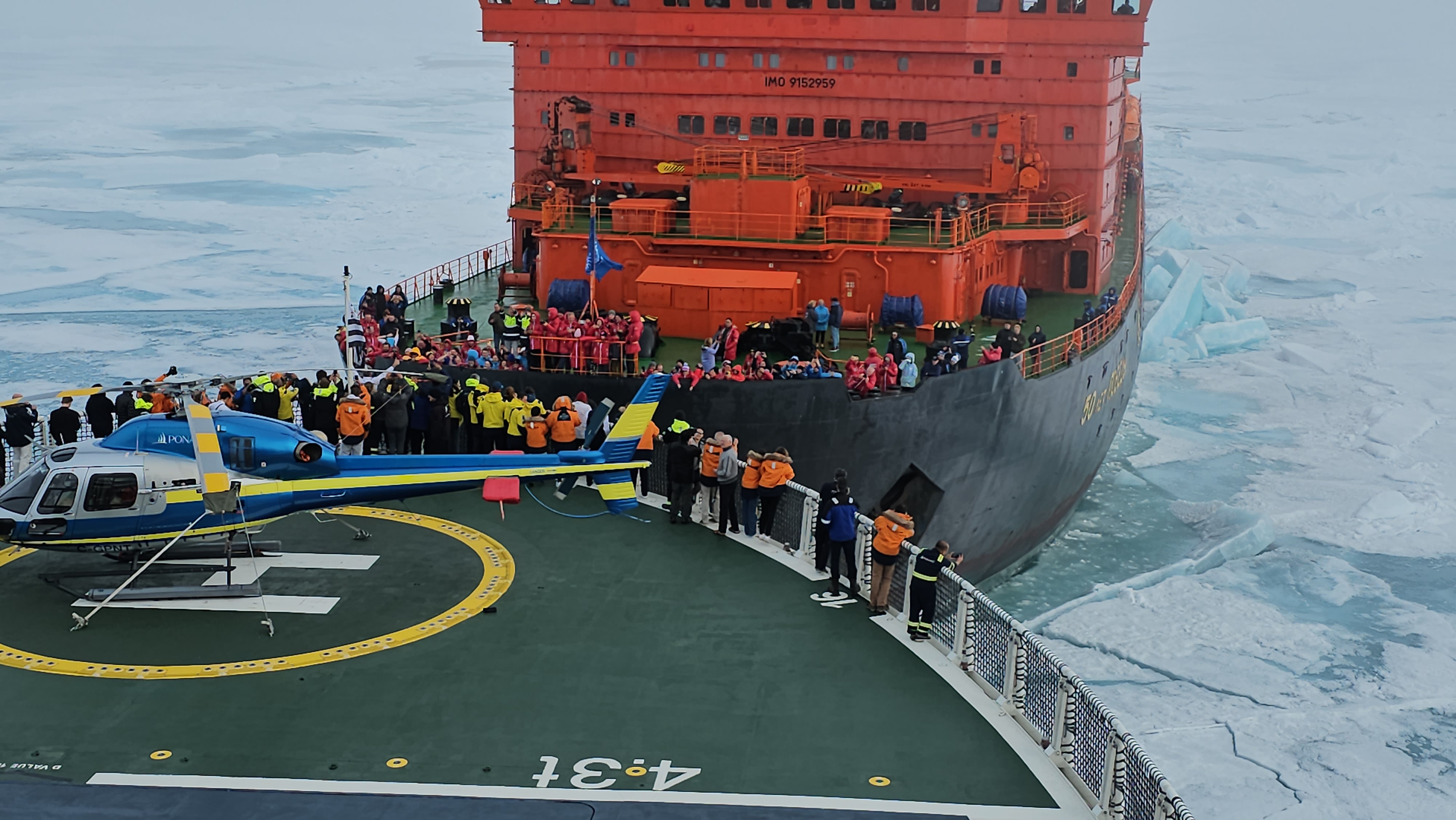
- arctic
- north-pole
- le-commandant-charcot
- north-pole-expedition
- 50-years-of-victory
- russia
- ukraine
- russian-ukrainian-war
- war
- peace
- ship
- blog
2023-07-21 16:37 UTCA Symbolic Encounter: Le Commandant Charcot and Russian Arktika-class nuclear-powered icebreaker 50 Years of Victory Extend a Message of Peace At the North Pole
Today, we have an extraordinary tale to share, one that unfolded amidst the awe-inspiring beauty of the Arctic. Against the backdrop of the Russia-Ukraine war, this encounter took on a profound meaning as the two ships exchanged waves of peace in the far reaches of the North Pole. Read about this symbolic moment on our blog!
- shipxplorer
- ship-industry
- vessel-tracker
- ship-tracker
- ais
- hardware
- blog
2022-09-04 15:09 UTCSharing AIS data with ShipXplorer
Read our blog post and learn how to share AIS data and the benefits of being a ShipXplorer feeder.