

 Facebook
 X
XStrait of Hormuz Shut: Iran Warns of Attacks on Passing Vessels
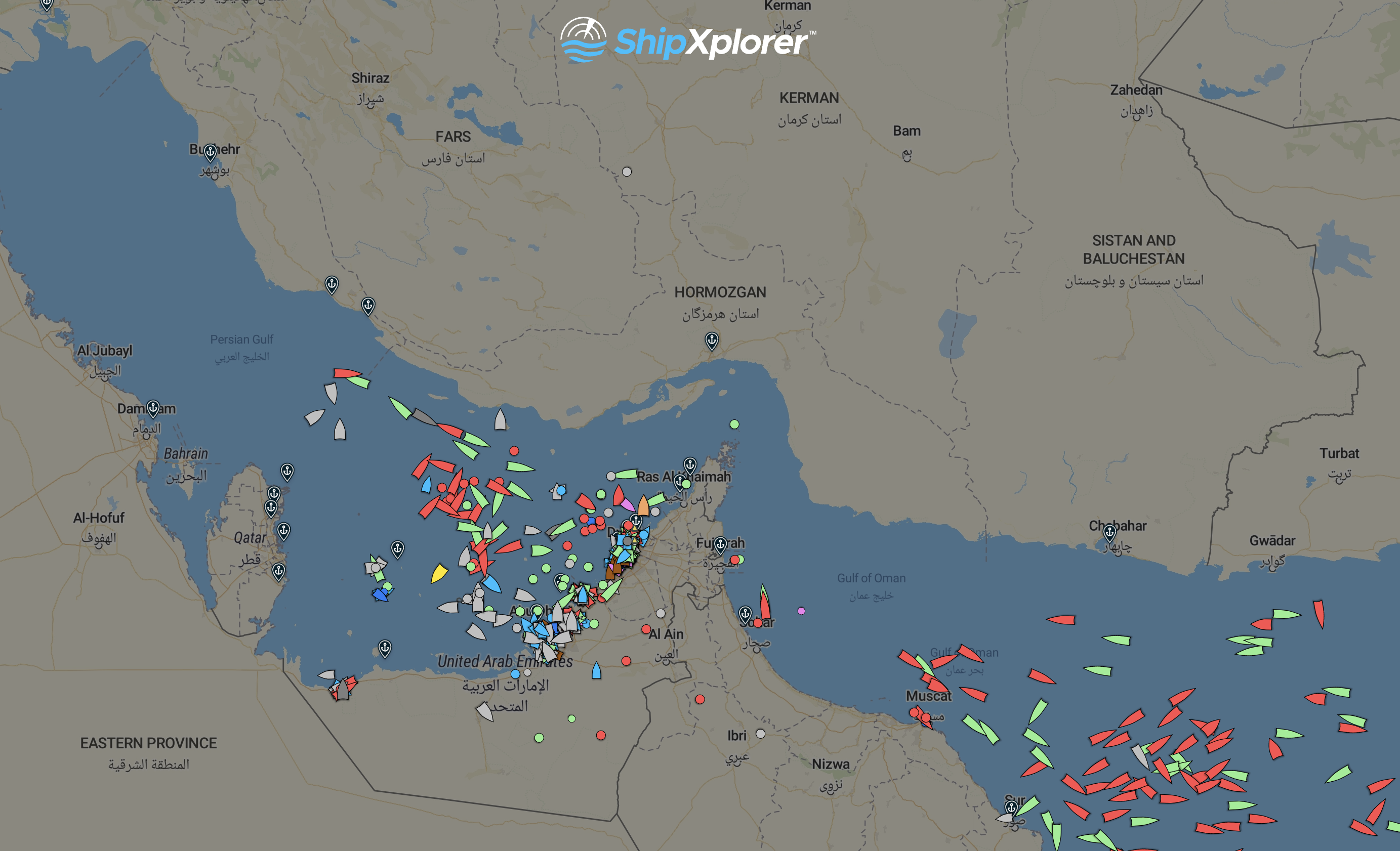
Strait of Hormuz
Iran’s Islamic Revolutionary Guards have declared the Strait of Hormuz closed, warning that any vessel attempting to pass will be targeted, according to Iranian state media.
The announcement marks a dramatic escalation in Middle East tensions and follows reports that Iran’s Supreme Leader, Ayatollah Ali Khamenei, was killed in an Israeli strike — an event that, if confirmed, would represent one of the most consequential developments in the region in decades.
Why the Strait of Hormuz Matters
The Strait of Hormuz is one of the most critical maritime chokepoints on the planet. Roughly 20% of global oil consumption — including crude and liquefied natural gas — passes through this narrow stretch of water linking the Persian Gulf to international markets.
A sustained closure would:
-
Severely disrupt energy exports from Saudi Arabia, Iraq, Kuwait, the UAE, and Qatar
-
Trigger immediate volatility in global oil and gas prices
-
Impact shipping insurance, freight rates, and global supply chains
Even short-term disruptions in the strait have historically caused sharp spikes in crude prices.
Iran’s Warning: A Direct Military Threat
According to Iranian media, the statement was issued by a senior commander of the Islamic Revolutionary Guard Corps, signaling that enforcement would not be symbolic but military in nature.
“The Strait of Hormuz is closed, and any ship attempting to pass will be set on fire,” the commander reportedly said.
Such language implies:
-
Possible use of anti-ship missiles, naval mines, drones, or fast-attack craft
-
Immediate danger to commercial shipping, tankers, and crew
-
Heightened risk of miscalculation involving U.S., allied, or regional naval forces
Global Energy and Market Fallout
Energy markets are already reacting to the risk. Traders are pricing in:
-
Potential supply shocks
-
Emergency stockpile releases
-
Escalation scenarios involving the U.S. and its allies
If enforced, the closure could push oil prices sharply higher within hours, with ripple effects across inflation, transportation, and global economic stability.
A Red Line for the International Community
The Strait of Hormuz has long been considered a red line for global security. Any sustained attempt to block it would almost certainly provoke an international response, potentially involving naval escorts, freedom-of-navigation operations, or direct confrontation.
With tensions already at historic highs, the situation remains extremely fluid.
READ NEXT...
- ais-dispatcher
- ais-hub
- shipxplorer
- ship-tracking
- ais-data
- ais-coverage
- blog
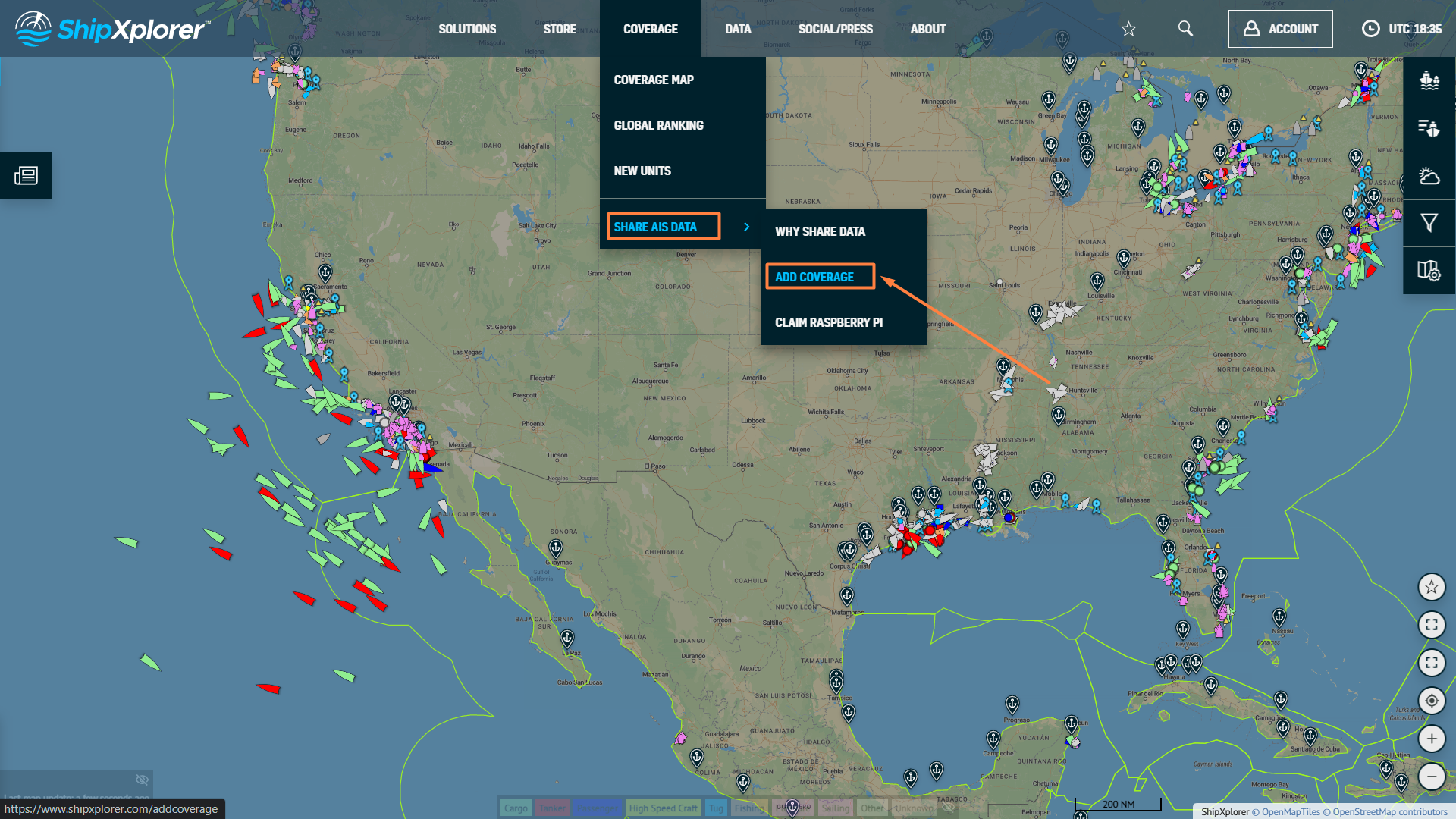
2026-03-24 17:05 UTCHow to share AIS data to ShipXplorer with AIS Dispatcher!
Did you know? You can now share AIS data with ShipXplorer? Read our blog to learn more!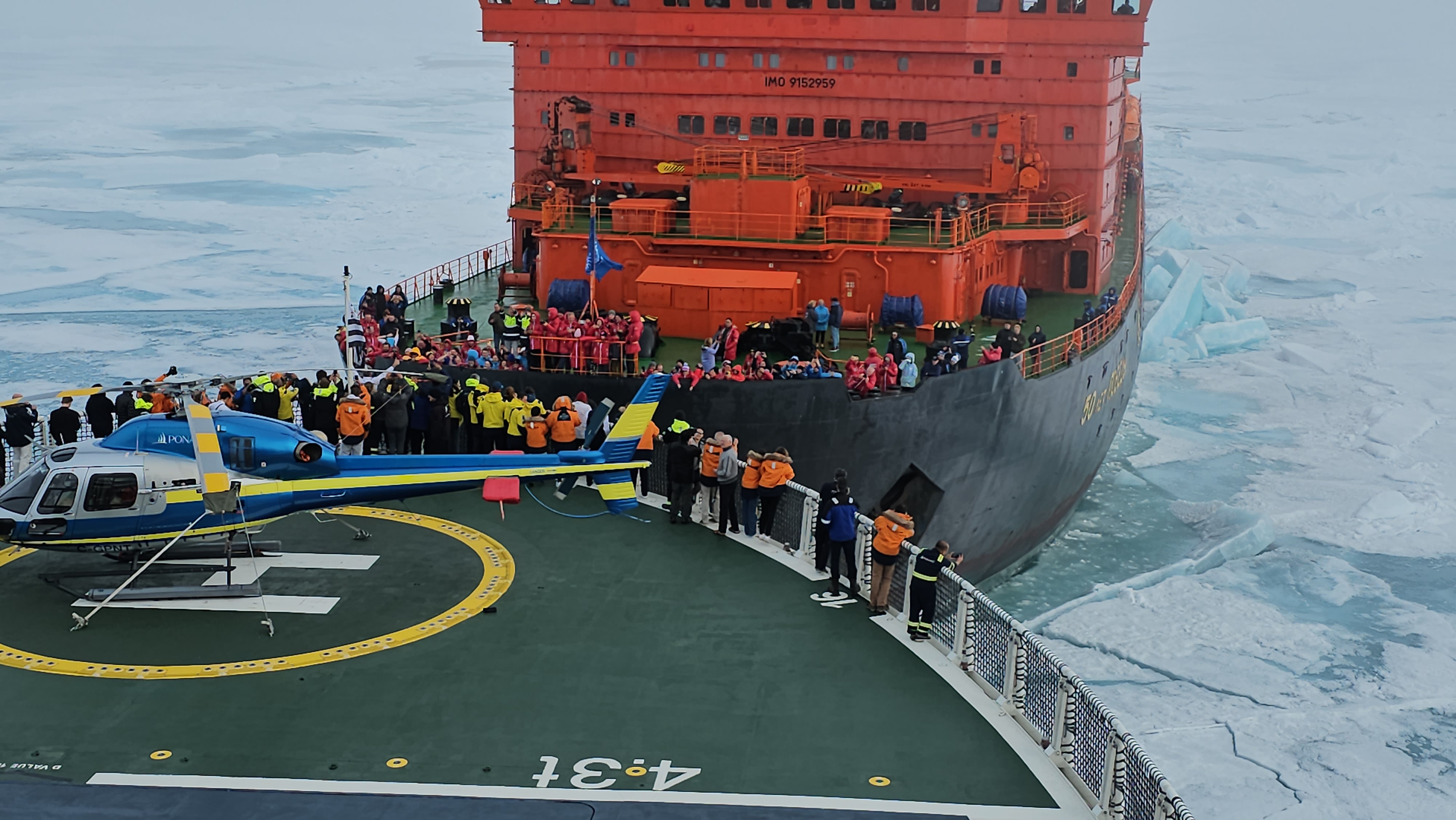
- arctic
- north-pole
- le-commandant-charcot
- north-pole-expedition
- 50-years-of-victory
- russia
- ukraine
- russian-ukrainian-war
- war
- peace
- ship
- blog
2023-07-21 16:37 UTCA Symbolic Encounter: Le Commandant Charcot and Russian Arktika-class nuclear-powered icebreaker 50 Years of Victory Extend a Message of Peace At the North Pole
Today, we have an extraordinary tale to share, one that unfolded amidst the awe-inspiring beauty of the Arctic. Against the backdrop of the Russia-Ukraine war, this encounter took on a profound meaning as the two ships exchanged waves of peace in the far reaches of the North Pole. Read about this symbolic moment on our blog!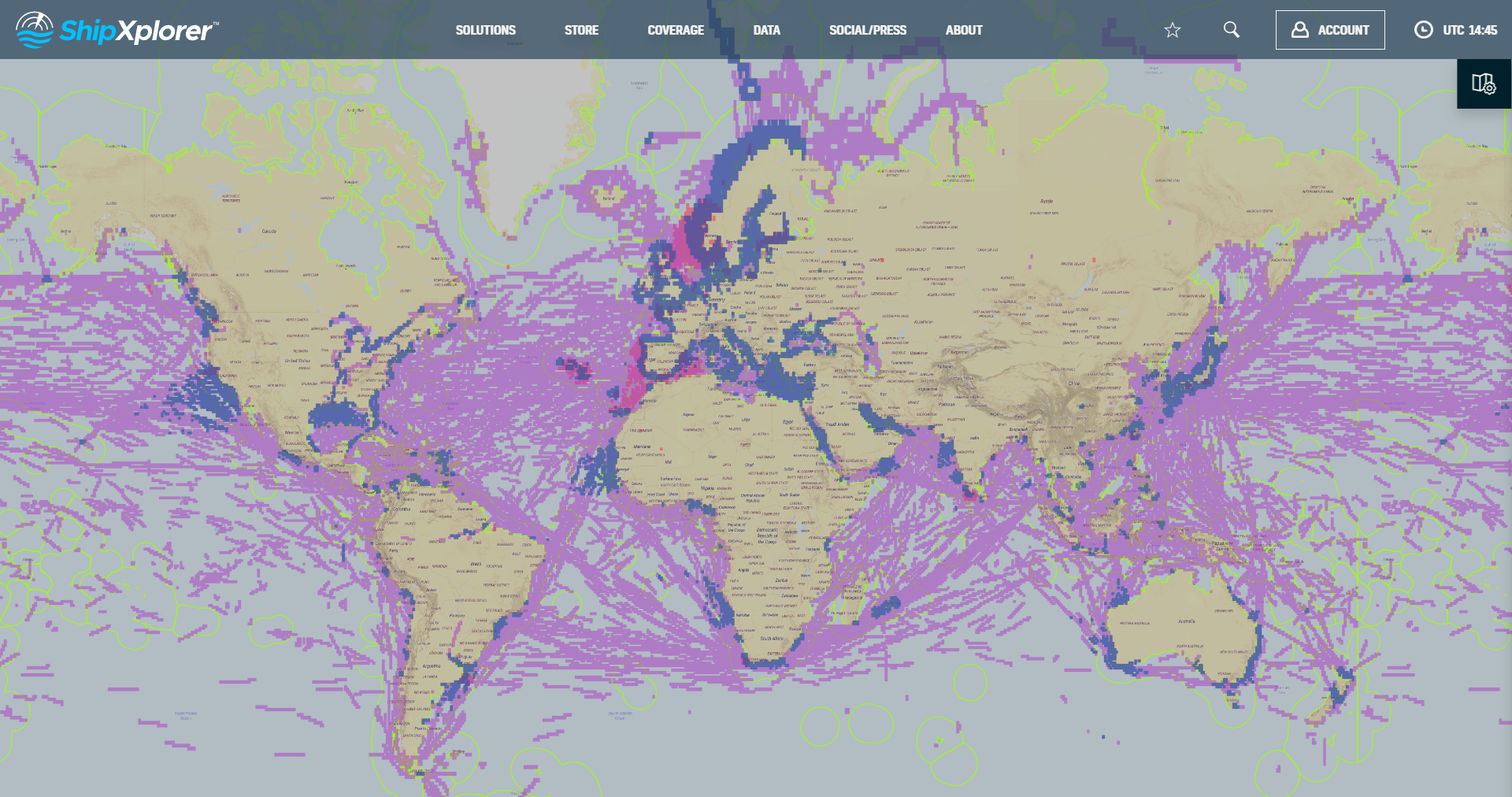
- shipxplorer
- ship-industry
- vessel-tracker
- ship-tracker
- ais
- hardware
- blog
2022-09-04 15:09 UTCSharing AIS data with ShipXplorer
Read our blog post and learn how to share AIS data and the benefits of being a ShipXplorer feeder.