

 Facebook
 X
X- international-maritime-organization
- imo
- strait-of-hormuz
- iran
- israel
- uae
- usa
- ship
- ship-tracker
- ship-finder
- ship-spotting
- vessel
Strait of Hormuz Crisis Leaves Thousands of Seafarers Stranded as Shipping Disruptions Escalate
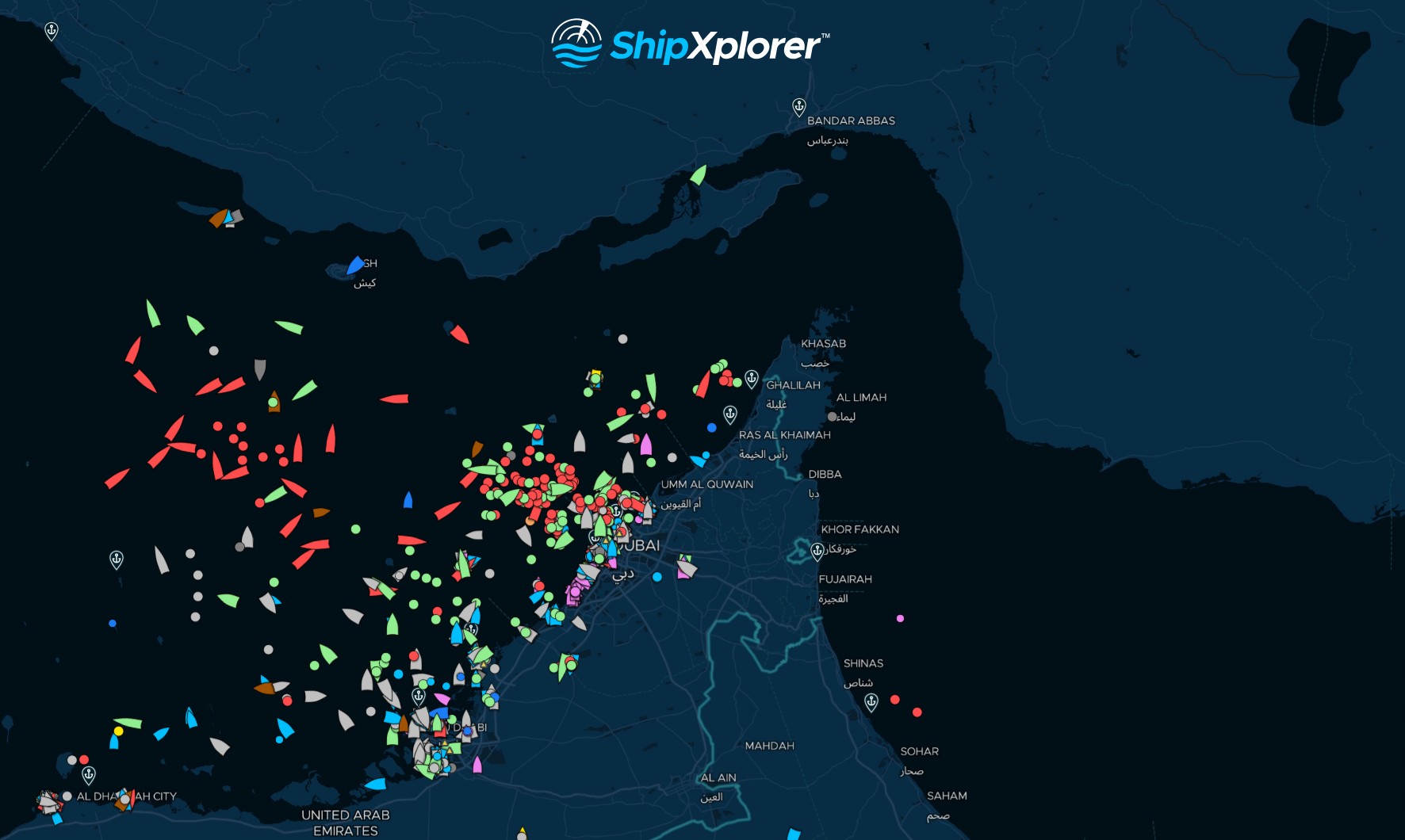
Persian Gulf, Strait of Hormuz & Gulf of Oman displayed on ShipXplorer.com
The International Maritime Organization (IMO) has revealed the scale of disruption unfolding across global shipping, with around 3,200 vessels and nearly 20,000 seafarers currently stranded west of the Strait of Hormuz.
The figures, disclosed ahead of an extraordinary IMO Council session in London, highlight the severe impact of escalating attacks on merchant shipping across the Persian Gulf and surrounding waters.
A Rapidly Deteriorating Security Environment
The crisis began to take immediate shape on March 1, 2026, when four merchant vessels were attacked in a single day, resulting in the deaths of at least two seafarers and one port worker. Since then, further incidents have followed, with additional casualties and injuries reported among crews.
According to the IMO, the security situation has deteriorated across key maritime zones, including the Arabian Sea and the Sea of Oman. These waters form a critical corridor for global trade, particularly for energy shipments, making the current instability a major concern for international markets.
With threats ranging from missile strikes to drone and explosive-boat attacks, many ship operators are now unwilling—or unable—to risk transiting the Strait of Hormuz. The result is a growing backlog of vessels waiting outside the high-risk zone, effectively freezing a vital artery of global commerce.
Seafarers Caught in the Middle
At the heart of the crisis are the thousands of seafarers stranded on board vessels, facing prolonged uncertainty and mounting psychological strain.
IMO Secretary-General Arsenio Dominguez has condemned the attacks and called for immediate de-escalation, stressing that civilian crews should not become collateral victims of geopolitical tensions.
Beyond physical safety, the situation is raising urgent concerns around mental health, access to communication, and the availability of essential supplies for those stuck at sea. Extended delays under already challenging conditions are placing additional pressure on crews with limited options for relief or evacuation.
Coordinated International Response
In response, the IMO has intensified coordination with governments, shipowners, and international organizations to track incidents and support affected vessels.
Collaboration with the International Labour Organization (ILO) is also underway, focusing on strengthening protections for seafarers and ensuring their rights and welfare remain a priority during the crisis.
At the same time, the IMO has urged strict adherence to established maritime safety frameworks, including SOLAS and the International Ship and Port Facility Security Code (ISPS Code). Shipping companies are also encouraged to follow Best Management Practices for Maritime Security (BMPs), which guide operations in high-threat environments.
READ NEXT...
- ais-dispatcher
- ais-hub
- shipxplorer
- ship-tracking
- ais-data
- ais-coverage
- blog
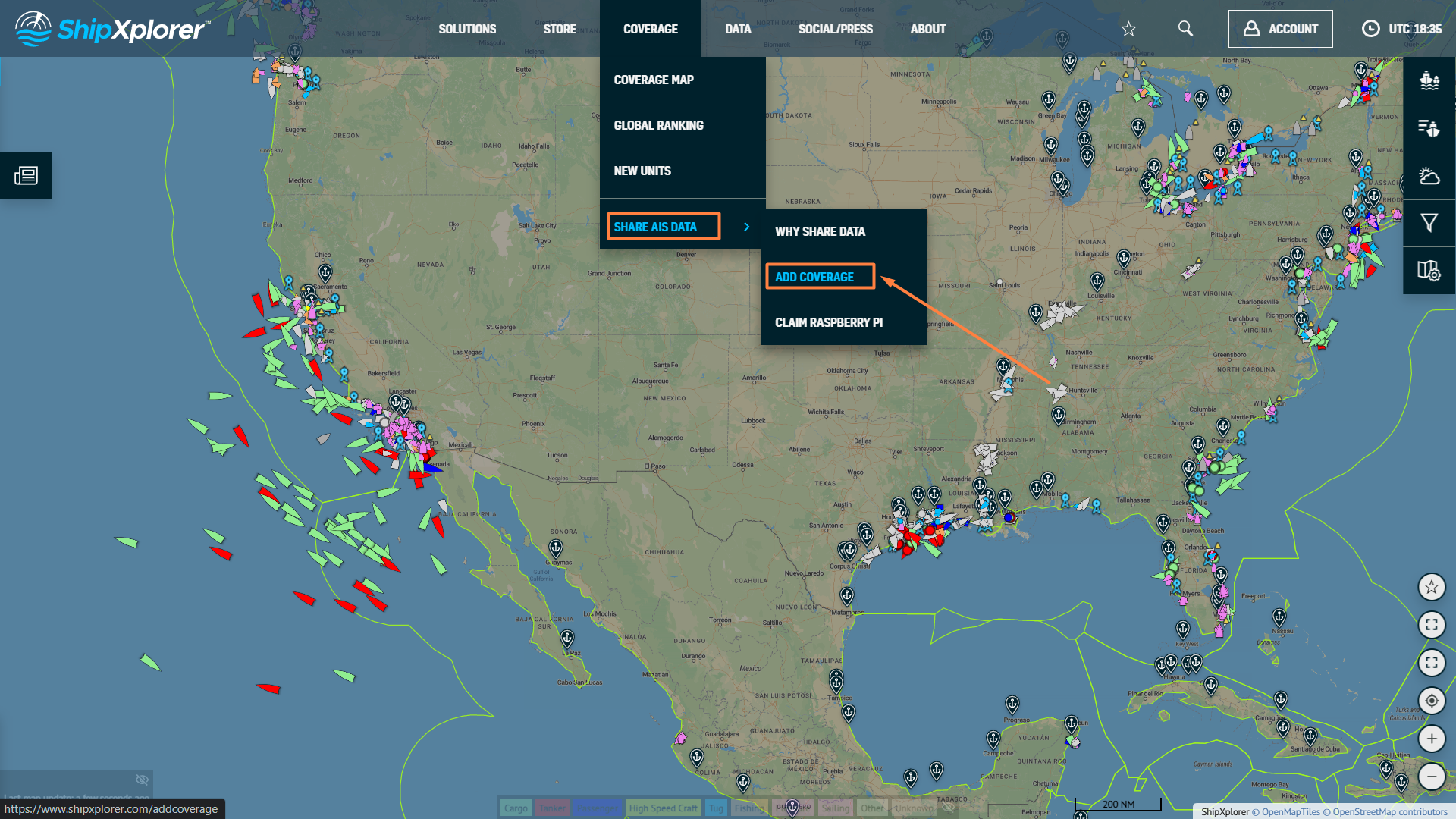
2026-03-24 17:05 UTCHow to share AIS data to ShipXplorer with AIS Dispatcher!
Did you know? You can now share AIS data with ShipXplorer? Read our blog to learn more!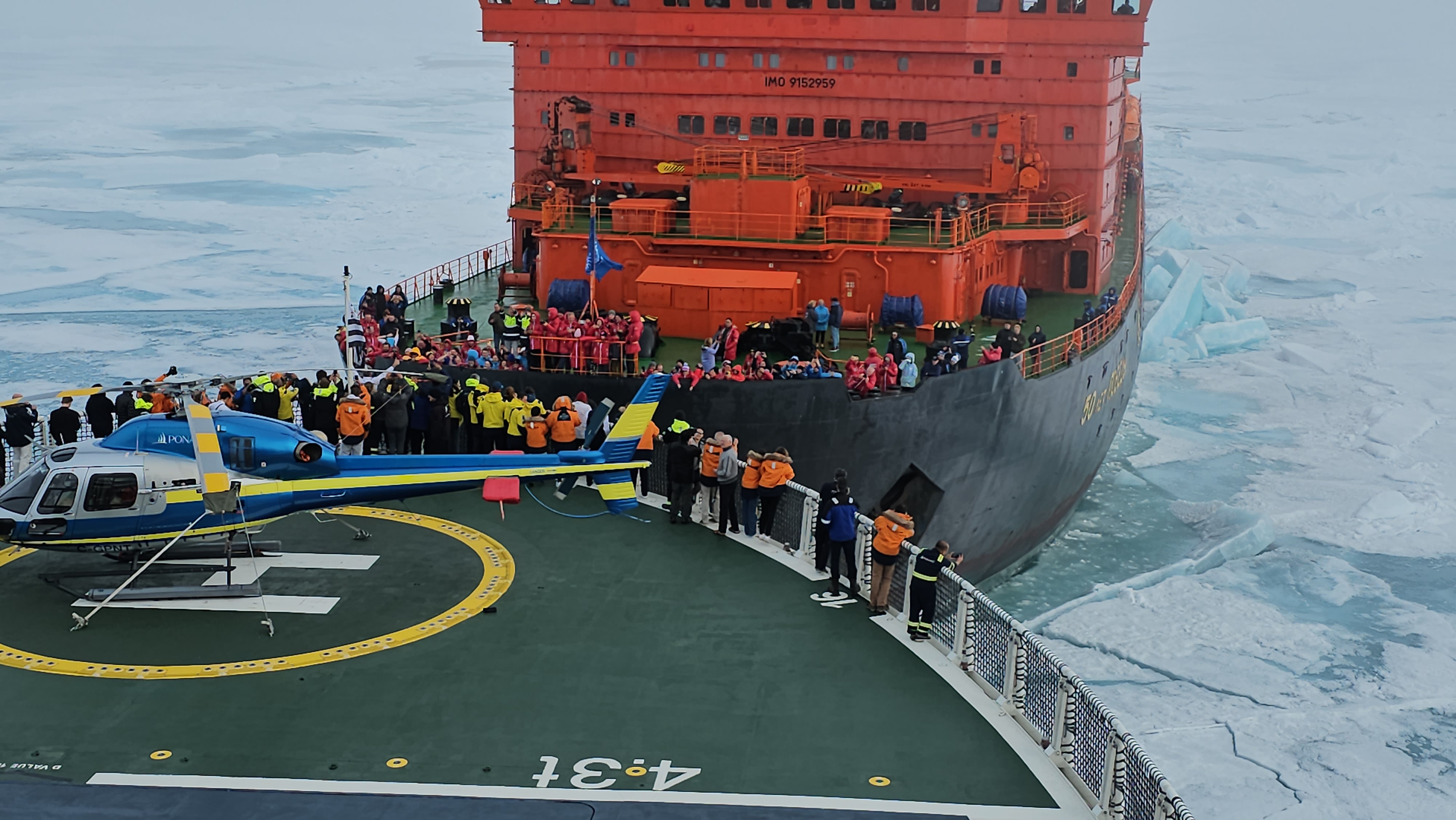
- arctic
- north-pole
- le-commandant-charcot
- north-pole-expedition
- 50-years-of-victory
- russia
- ukraine
- russian-ukrainian-war
- war
- peace
- ship
- blog
2023-07-21 16:37 UTCA Symbolic Encounter: Le Commandant Charcot and Russian Arktika-class nuclear-powered icebreaker 50 Years of Victory Extend a Message of Peace At the North Pole
Today, we have an extraordinary tale to share, one that unfolded amidst the awe-inspiring beauty of the Arctic. Against the backdrop of the Russia-Ukraine war, this encounter took on a profound meaning as the two ships exchanged waves of peace in the far reaches of the North Pole. Read about this symbolic moment on our blog!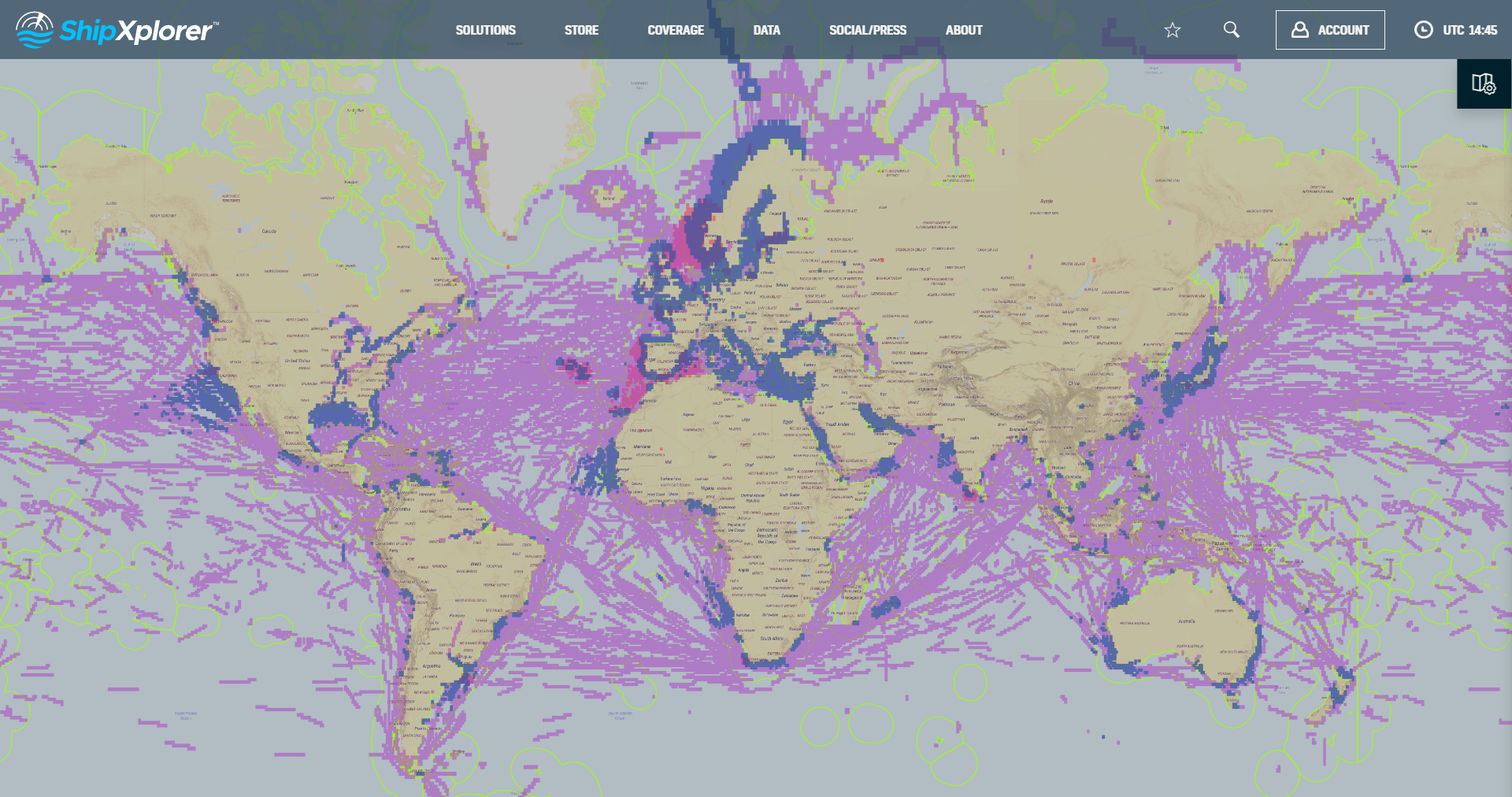
- shipxplorer
- ship-industry
- vessel-tracker
- ship-tracker
- ais
- hardware
- blog
2022-09-04 15:09 UTCSharing AIS data with ShipXplorer
Read our blog post and learn how to share AIS data and the benefits of being a ShipXplorer feeder.