

 Facebook
 X
XCanada Dispatches Icebreaker to Assist Grounded Dutch Freighter in Arctic Waters
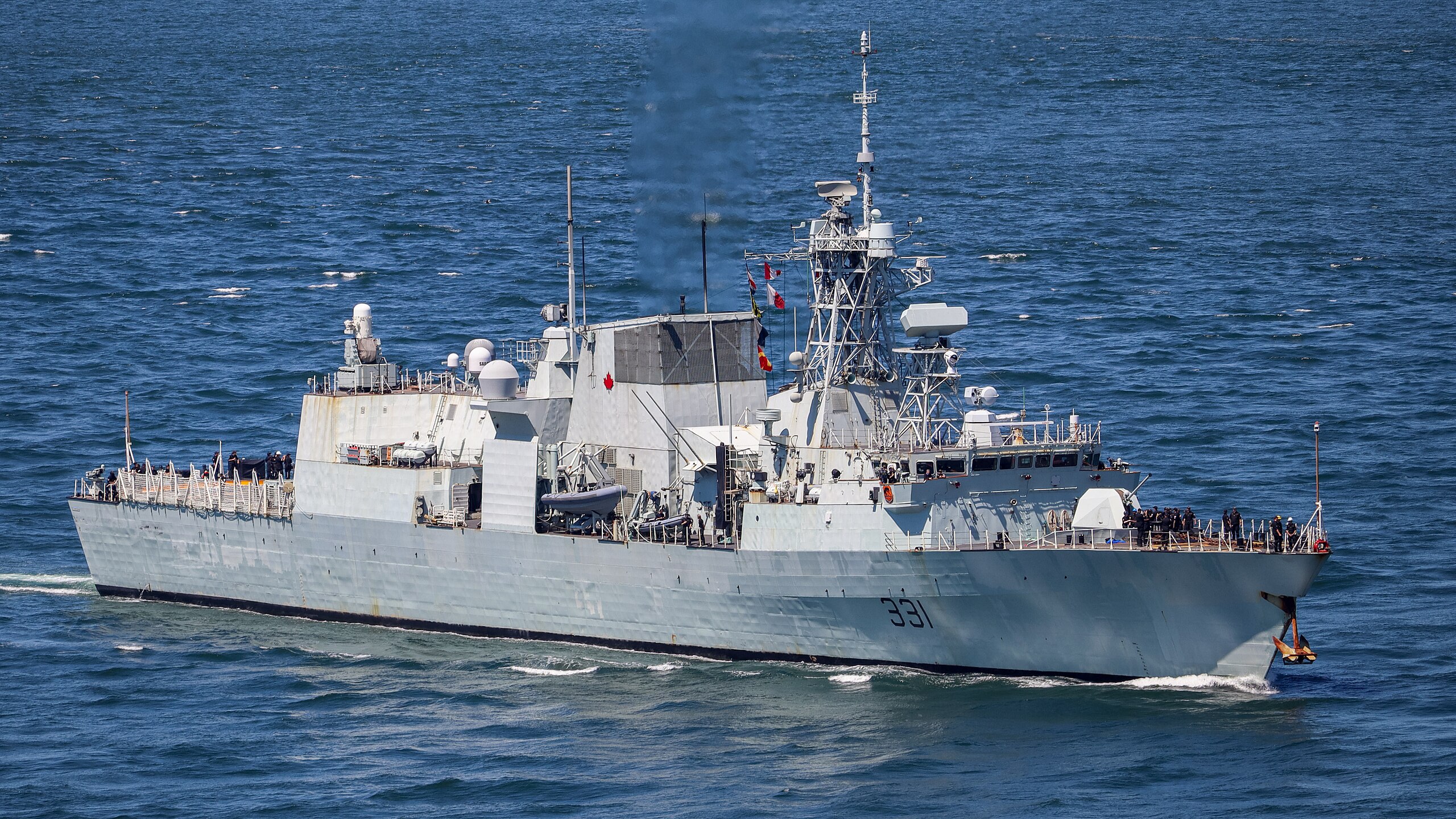
MarkjF31, CC BY-SA 4.0
Canada has deployed an icebreaking vessel to aid a Dutch-flagged freighter that ran aground in the icy waters of Nunavut while navigating the Franklin Strait, a critical section of the Northwest Passage.
The incident involved the MV Thamesborg, a general cargo ship operated by Wagenborg, a Dutch maritime logistics firm. According to the company, the vessel "unexpectedly ran aground off Prince of Wales Island, Nunavut, Canada," on Saturday while en route from Asia to Baie-Comeau, Quebec. The 173-meter-long (568-foot) ice-class vessel was carrying a cargo of carbon blocks for industrial use.
Wagenborg emphasized that "no injuries to the crew [were] reported and no pollution resulting from the incident," confirming that fuel tanks and cargo holds remained intact. The company added that "two Canadian Coast Guard vessels are currently assisting on scene and are in contact with the Thamesborg crew and the salvage team who are formulating steps for the safe refloating of the vessel."
The Canadian Coast Guard confirmed to Newsweek that the CCGS Sir Wilfrid Laurier, a Martha L. Black-class light icebreaker, "is on scene and is assessing the situation with its fast rescue craft and helicopter." The icebreaking tug CCGS Jean Goodwill also arrived at the location to provide support.
A Challenging Arctic Route
Historically, shipwrecks in the Northwest Passage were frequent and often catastrophic. Though advancements in navigation technology and warmer sea conditions have improved access to the route, risks remain. Between 2020 and 2024, about 117 full transits of the passage were recorded by the Scott Polar Research Institute.
Still, as a July report by Harvard University's Belfer Center highlighted, the passage "is still a risky and uncertain corridor for regular commercial shipping due to unpredictable ice conditions, a lack of deep-sea ports, poor charting relative to other passages, and high insurance costs."
The Franklin Strait, where the grounding occurred, is steeped in maritime history. It was named after Sir John Franklin, the British explorer whose ill-fated Arctic expedition in 1845 ended in tragedy after his ships became trapped in ice near King William Island.
Canada’s Arctic Strategy
Canada continues to promote Arctic shipping while imposing strict environmental safeguards. "Canada follows the 'polluter pay principle,'" the Canadian Coast Guard said, noting that vessel owners are responsible for covering the costs associated with any hazard, including cleanup and repairs.
Meanwhile, the Thamesborg incident is under review. Wagenborg stated that the cause remains undetermined, with "a full investigation into the exact circumstances leading to the grounding to follow."
READ NEXT...
- ais-dispatcher
- ais-hub
- shipxplorer
- ship-tracking
- ais-data
- ais-coverage
- blog
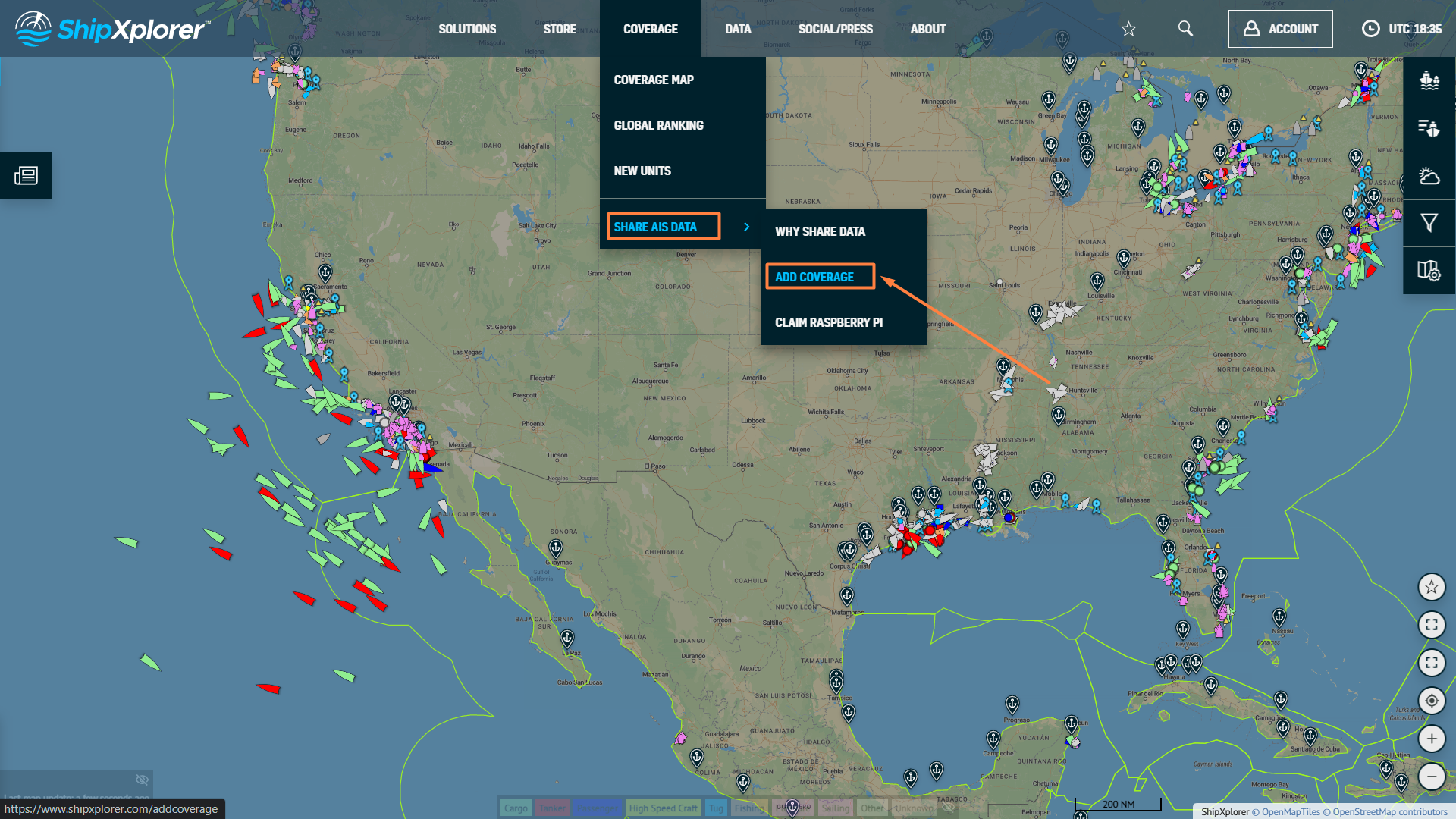
2026-03-24 17:05 UTCHow to share AIS data to ShipXplorer with AIS Dispatcher!
Did you know? You can now share AIS data with ShipXplorer? Read our blog to learn more!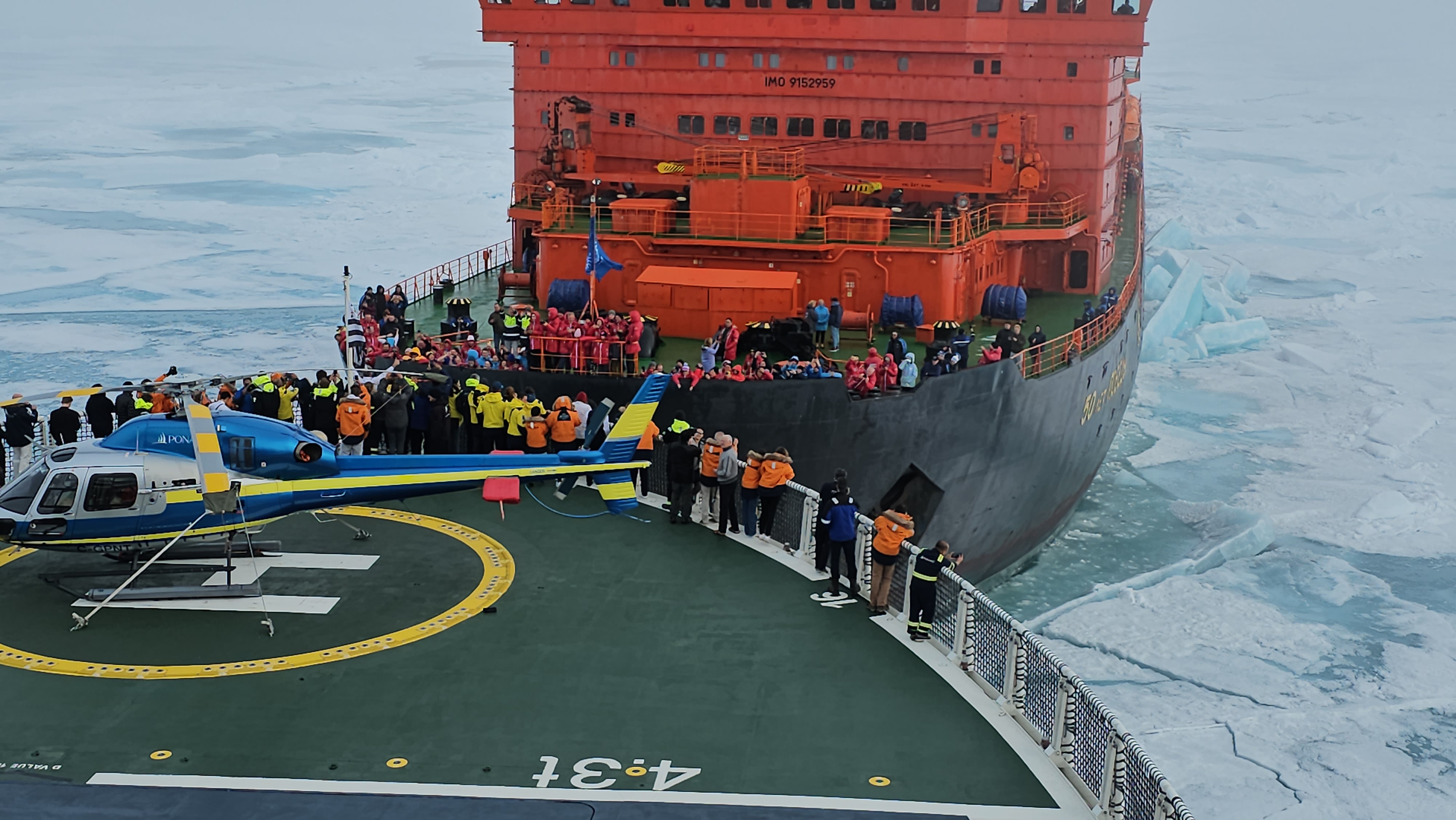
- arctic
- north-pole
- le-commandant-charcot
- north-pole-expedition
- 50-years-of-victory
- russia
- ukraine
- russian-ukrainian-war
- war
- peace
- ship
- blog
2023-07-21 16:37 UTCA Symbolic Encounter: Le Commandant Charcot and Russian Arktika-class nuclear-powered icebreaker 50 Years of Victory Extend a Message of Peace At the North Pole
Today, we have an extraordinary tale to share, one that unfolded amidst the awe-inspiring beauty of the Arctic. Against the backdrop of the Russia-Ukraine war, this encounter took on a profound meaning as the two ships exchanged waves of peace in the far reaches of the North Pole. Read about this symbolic moment on our blog!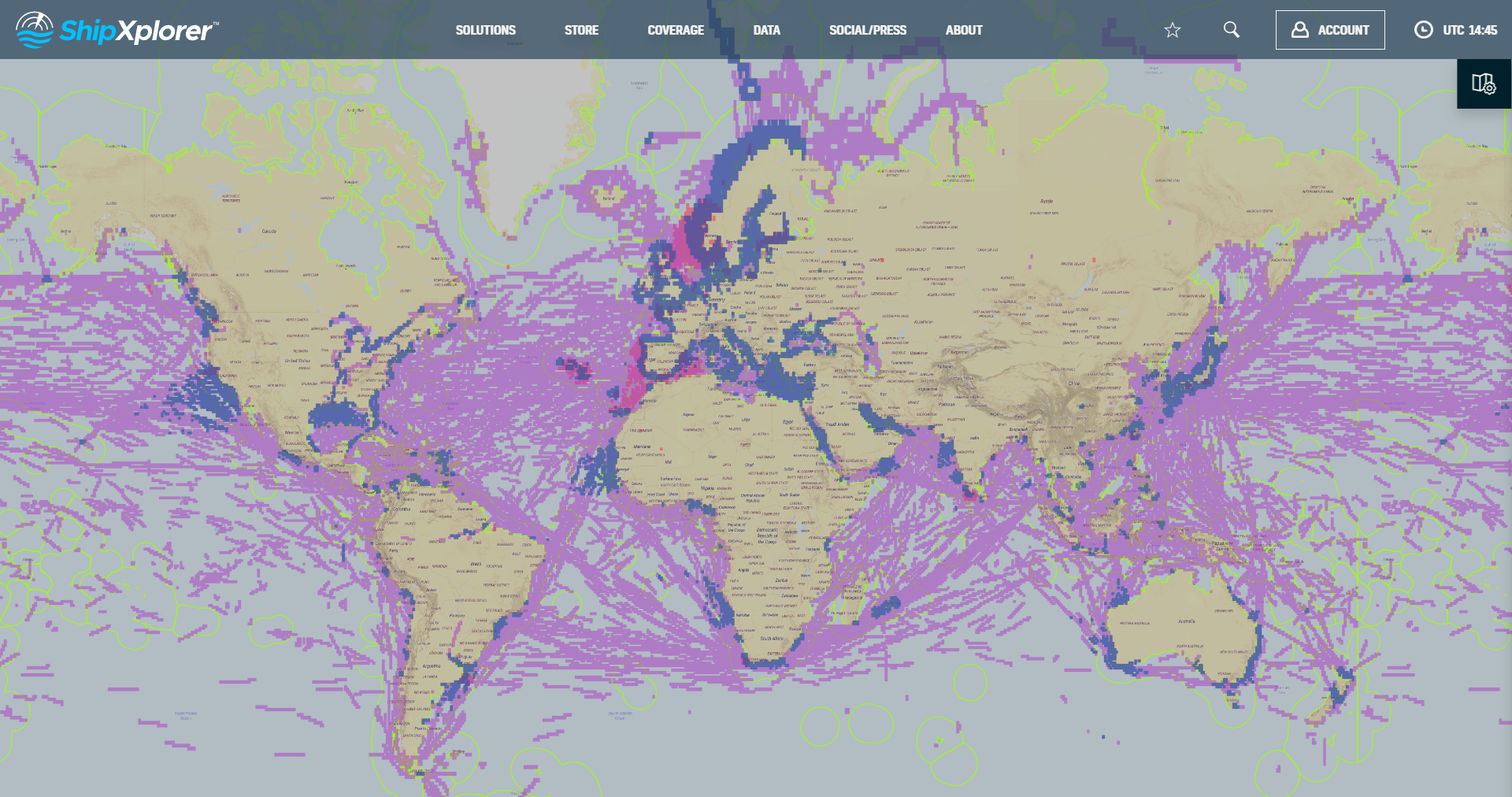
- shipxplorer
- ship-industry
- vessel-tracker
- ship-tracker
- ais
- hardware
- blog
2022-09-04 15:09 UTCSharing AIS data with ShipXplorer
Read our blog post and learn how to share AIS data and the benefits of being a ShipXplorer feeder.